
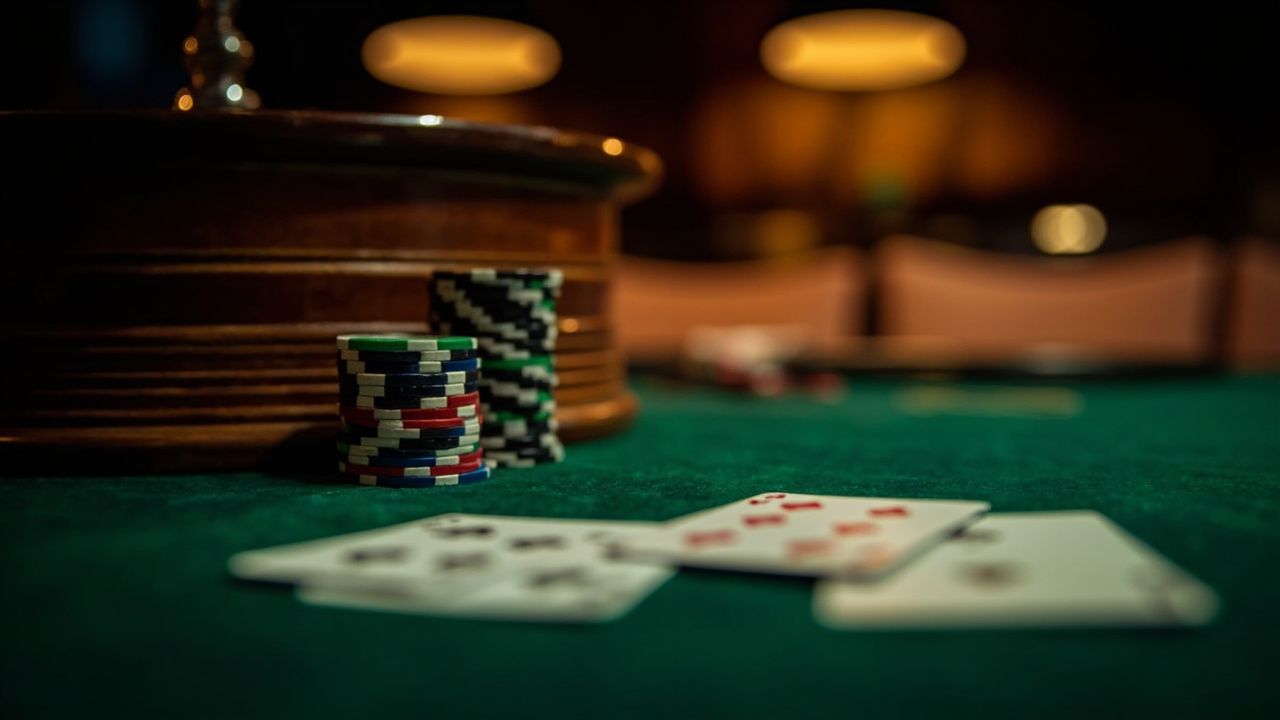
When we ran Crown strategy sessions, the hardest part was never the cards, it was the payout structure. A home poker tournament prize split keeps friends playing longer without arguments over who takes what. You want a clear ladder that rewards persistence without blowing the kitty on a single hand. That is where most backyard games fall apart, because someone guesses the numbers instead of planning them. If you reckon your mates will stick around for a full arvo session, you need maths that matches the buy-in and the field size. The goal is simple: enough prize money to keep interest high, but not so much that the winner takes everything and everyone else walks home empty.
Building Your Prize Ladder
Start with the total pool and decide how many paid places you want. A common approach is paying the top thirty per cent of the field, which keeps mid-table players engaged until the final orbit. If you have twenty players paying twenty dollars each, you have four hundred dollars to distribute. You might give fifty per cent to first place, thirty per cent to second, and twenty per cent to third. That structure mirrors what we saw in Bally Macau low-limit rooms, where the top-heavy payout kept everyone grinding until the end. You can adjust the ratios based on how competitive your group is, but keep the percentages fixed before cards are dealt.
When you write the structure down, print it on a card and put it on the table. Players should see the payout sheet before they post their blinds. That transparency removes the suspicion that the host is rigging the numbers for a mate. If you want to add a bounty or a bad beat bonus, fund it from a separate side pot, not from the main prize pool. Mixing bonus money with the main split creates confusion when someone asks why the second-place finisher got less than expected.
Comparing Overseas Standards
In the United States, home games often run a freezeout structure with no rebuys, which makes the prize split easier to calculate but harder on short stacks. European clubs tend to favour reentry formats that inflate the pool and dilute the individual payouts, so the final distribution looks flatter across the table. Down Under, we usually prefer a single rebuy window with a fixed buy-in, because it keeps the session predictable and the prize split honest. That local preference matters when you are hosting at a mate’s place in Western Sydney, where the group might drift in and out over a long afternoon. A fixed structure with a clear rebuy deadline keeps the game moving without needing a floor manager to enforce it.
If you are running a multi-table event with more than thirty players, consider flattening the payout curve slightly so the middle of the field gets something meaningful. A steep top-heavy ladder can drain motivation once players realise they cannot reach the money. A flatter curve rewards survival and keeps the table active longer, which is better for a friendly session than a winner-takes-all grind. plinko gambling
Player Needs And Fair Play
Your mates want to know the split before they commit cash, and they want to trust that the host will honour it. That trust is the same foundation we built into TCS John Huxley floor systems, where the payout logic had to be visible and auditable for every session. At home, you do not need a database, but you do need a written sheet and a clear handover of the cash at the end. Count the pool in front of everyone, then distribute according to the printed percentages. If someone questions the maths, walk through the calculation aloud rather than brushing it off.
You also need to think about how the game ends. A time limit or a level cap prevents a marathon session that burns everyone out. Set a final level in advance and announce it at the start, so players can plan their push or fold decisions around the clock. That kind of structure is what made SenSen’s player tracking useful overseas, because predictable sessions keep retention high and arguments low. At a kitchen table, the same principle applies: a clear finish line protects the prize split and keeps the night enjoyable.
Verdict
A well-planned home poker tournament prize split keeps the game competitive and the friendships intact. Fix the percentages before the first card, print the ladder, and distribute the cash openly at the end. That approach gives you a session that feels fair without needing a casino floor to enforce it.


